The Center for Biocatalysis and Bioprocessing (CBB) is proud to welcome our 2025 cohort of fellows. Thanks to support of the prestigious T32 Training Grant awarded by the National Institutes of Health (NIH), the CBB Executive Committee is pleased to support six new predoctoral fellows as they continue their academic and research journeys. In addition, we're pleased to announce that six current fellows will continue to receive support through the program, a testament to their academic progress and significant research this past year. Each of our fellows brings a unique background and a shared commitment to advancing innovations in biocatalytic sciences, bioprocessing, and interdisciplinary biotechnology research.
Learn more below about our fellows’ academic interests and current research projects!
NIH T32 Fellows:

Lilly Duff
Lilly earned B.S. degrees in Biology and Chemistry from the University of Dubuque. During her undergraduate studies, she conducted research on vector-borne diseases, including Lyme disease and babesiosis, and investigated bioactive compounds found in dispensary products from the Dubuque area.
Her current research focuses on the discovery and development of species-selective antibiotics for Helicobacter pylori, a bacterial pathogen that infects more than half of the global population and is a leading cause of gastric cancer. Using computational drug design, biochemical assays, and biophysical techniques, she studies how small molecules can selectively target essential bacterial proteins while minimizing disruption to beneficial members of the gut microbiome.
She joined the CBB Fellowship because of its interdisciplinary approach to translating biological discoveries into therapeutic applications. The program’s collaborative environment and specialized training opportunities support her long-term goal of becoming an independent biomedical researcher focused on innovative drug discovery.
Through her research, she hopes to advance understanding of allosteric regulation and contribute to new treatment strategies for Helicobacter pylori that reduce impacts on the gut microbiome while helping address the growing challenge of antibiotic resistance.
Outside of research, she enjoys hiking, reading, and exploring new places, especially when those adventures include discovering a great local coffee shop.

Johanna Peplinski
JoJo earned a B.S. in Mechanical Engineering with an emphasis in Biomedical Engineering and a minor in Spanish from the University of Wisconsin–Platteville in May 2025. During her undergraduate career, she served as a mathematics tutor, played ultimate frisbee with Udderburn, and participated in research focused on developing simple methods for recycling plastics. She also interned at Gamber-Johnson LLC and participated in the Biomedical Scholars Summer Undergraduate Research Program (BSURP) at the University of Iowa, where she investigated the effects of carbon monoxide foam on bovine synovial tissue as a potential treatment for osteoarthritis.
Her current research focuses on pancreatic ductal adenocarcinoma (PDAC), specifically examining how the mechanical properties of the extracellular matrix influence drug delivery and therapeutic response. Using rheological characterization techniques, she evaluates how stromal-modulating therapies alter tumor stiffness, viscoelasticity, and other biomechanical properties to identify predictors of treatment effectiveness.
She joined the CBB Fellowship because it offers interdisciplinary training and opportunities to develop as an independent researcher. The program’s emphasis on collaborative biomedical research aligns with her goal of pursuing a career that combines engineering, translational research, and improving patient outcomes.
Through her research, she hopes to advance understanding of how tumor biomechanics influence treatment response and help identify strategies that make therapies more effective for pancreatic cancer patients.
Outside of research, she enjoys singing, line dancing, playing board and card games, practicing Jiu Jitsu, and spending time with family and friends. She also enjoys staying active through recreational sports and outdoor activities.

Avelin Thepsomphone
Avelin earned a B.A. in Chemistry with a minor in Education from the College of the Holy Cross in Worcester, Massachusetts. During her undergraduate career, she conducted chemical research with Dr. Andre Isaacs, focusing on the synthesis of nitrogen heterocycles using rhodium catalysis and click chemistry.
Her passion for research began early when she received a First-Year Research Advancement Fellowship during her first year of undergraduate studies. She continued her research endeavors throughout college and was later awarded a Weiss Summer Research Fellowship. During her first year of graduate school at the University of Iowa, she received the Chemistry Department’s “Laboratory Rookie of the Year” award.
Avelin’s current research focuses on the neurotrophic small molecule trans-Banglene and its mechanism of action in signaling pathways associated with neurodegenerative diseases. Specifically, she investigates how small neurotrophic molecules modulate iron-regulated pathways in neuronal cells.
Although her academic background is rooted in organic chemistry, her growing interest in biochemistry and chemical biology inspired her to pursue interdisciplinary training in biocatalytic sciences. She aims to leverage biocatalytic approaches to better understand complex biochemical pathways.
Through her research, Avelin hopes to advance understanding of the molecular and cellular mechanisms underlying human disease and contribute to the development of improved therapeutic strategies that address global health challenges.
Outside of research, she enjoys cooking a variety of cuisines, spending time outdoors, and exploring nature through activities such as hiking.

Anna Claire
Anna earned her B.S. in Biochemistry and Molecular Biology from the University of Wisconsin–Eau Claire, where she conducted undergraduate research in Dr. Krysti Knoche Gupta's electrochemistry laboratory studying the behavior of the perfluorinated polymer film Nafion® in aqueous and nonaqueous environments. Her research led to presentations at regional and international conferences and a first-author publication. Now a Ph.D. student at the University of Iowa, Anna's research explores the connections between mechanics, metabolism, and gene expression by investigating how cytoskeletal rearrangements in response to shear stress arise through interactions among cellular biocatalytic components. She joined the CBB Fellowship to gain interdisciplinary training and industry experience that will support her future career in biomedical research. Outside the lab, she enjoys taking walks, exploring local restaurants and shops, and creating art through embroidery and painting.
Elizabeth Walker
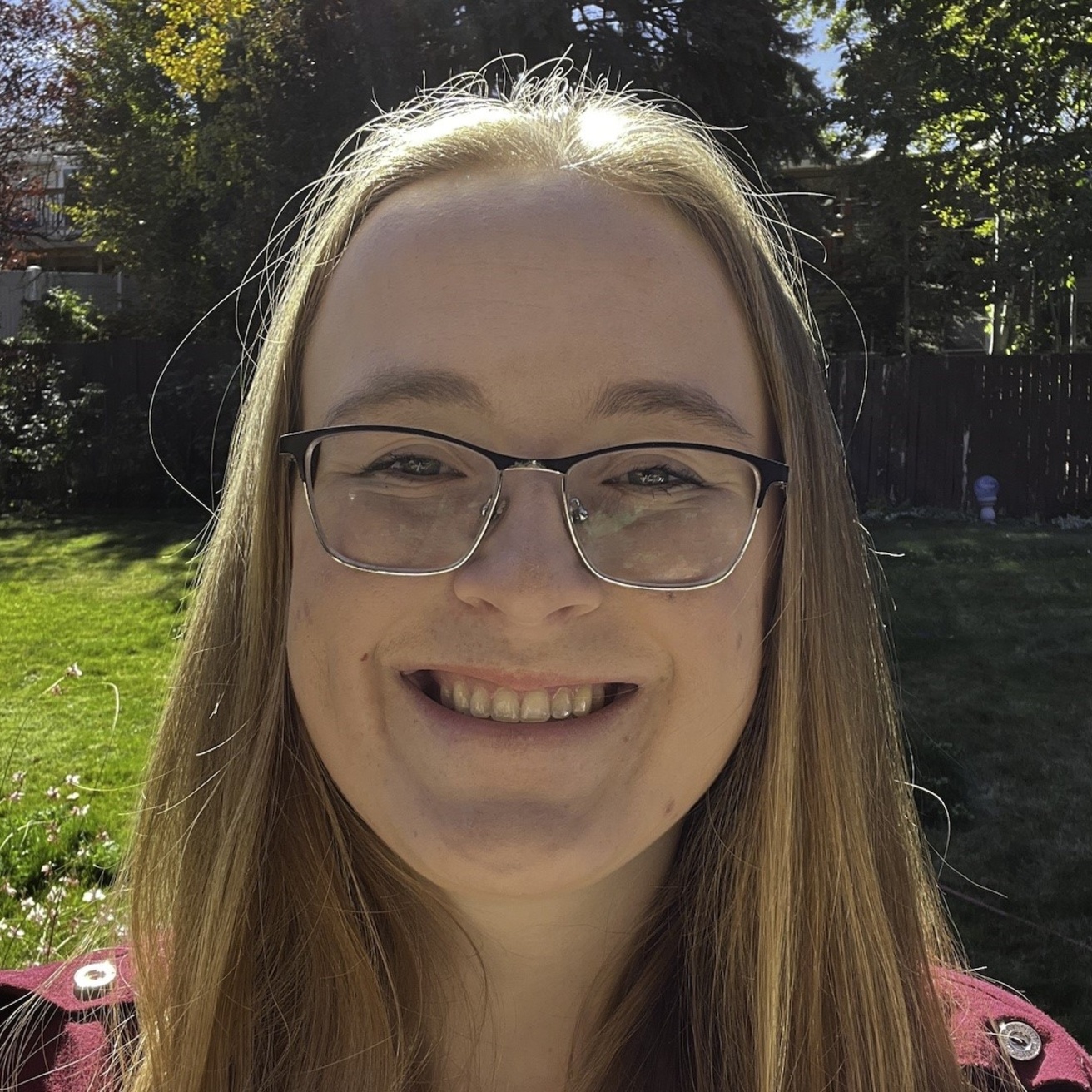
Originally from the western U.S., Elizabeth earned her BS in Biological Engineering from Utah State University, where her undergraduate research focused on testing hydrolysate media for lab-grown meat cell culture. Now entering her second year as a PhD student in Chemical Engineering at the University of Iowa, she works in Dr. Hyeongmin Seo's Engineered Biosynthesis Lab. Her research centers on bioplastic production and enzymatic plastic degradation, with a particular focus on upcycling strategies to support a circular plastics economy. Elizabeth hopes her work will contribute to reducing plastic waste accumulation by providing insights into sustainable recycling and upcycling solutions. She joined the CBB Fellowship to expand her professional network and gain valuable industry experience that will support her future career in biotechnology. Outside the lab, she enjoys exploring Iowa City, spending time outdoors, and trying new recipes.

Luke Handlos
Luke earned a BS in Biochemistry from Northwest Missouri State University with a 4.0 GPA. As an undergraduate, he completed an NSF-funded REU at Kansas State University, using co-crystallization to study FDA-approved co-formers aimed at improving solubility of a potential anti-inflammatory and anti-cancer compound. He presented this work at the 2022 ACS Midwest Regional Meeting. Luke received the Iowa Pathway to Graduate Excellence Award and was inducted into Gamma Sigma Epsilon, serving as Sergeant-at-Arms. Now a PhD student in the Washington Lab at the University of Iowa, his research focuses on genome maintenance under replication stress, particularly through template switching and translesion synthesis. He studies the fork-remodeling helicase Rad5 and uses steered molecular dynamics to explore DNA translocation in TLS polymerases like polymerase eta. Outside the lab, Luke enjoys baking, fishing, reading fantasy, working out, and Hawkeye sports.
Emily Jansen
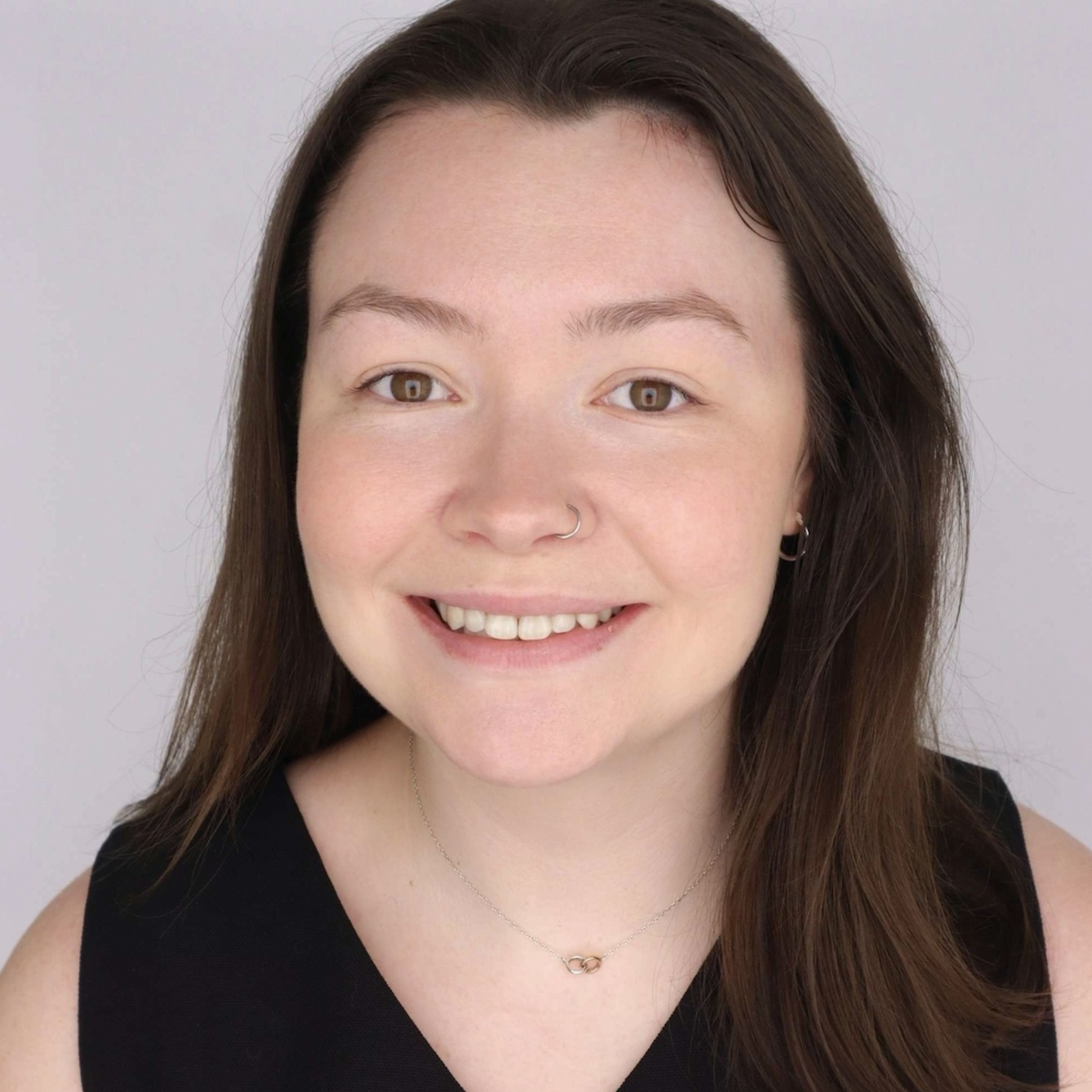
Emily earned her BS in Environmental Engineering from the University of Iowa in 2023. As an undergraduate, she conducted research with Dr. Jerry Schnoor and Dr. Reid Simmer, exploring phytoremediation and bioremediation strategies for treating 1,4-dioxane-contaminated groundwater. Now continuing her research in the Mattes Lab, Emily is focused on the bioremediation aspect of 1,4-dioxane treatment. Her work investigates the use of an engineered microbial co-culture to metabolize 1,4-dioxane and the incorporation of biochar to support biofilm growth in treatment systems. With her research increasingly centered on microbial processes, Emily has developed a strong interest in biotechnology and its environmental applications. She aims to contribute sustainable, scalable, and cost-effective solutions to complex contamination challenges. Outside of her academic pursuits, Emily enjoys attending concerts, reading, and playing the viola.
Sophie Granger
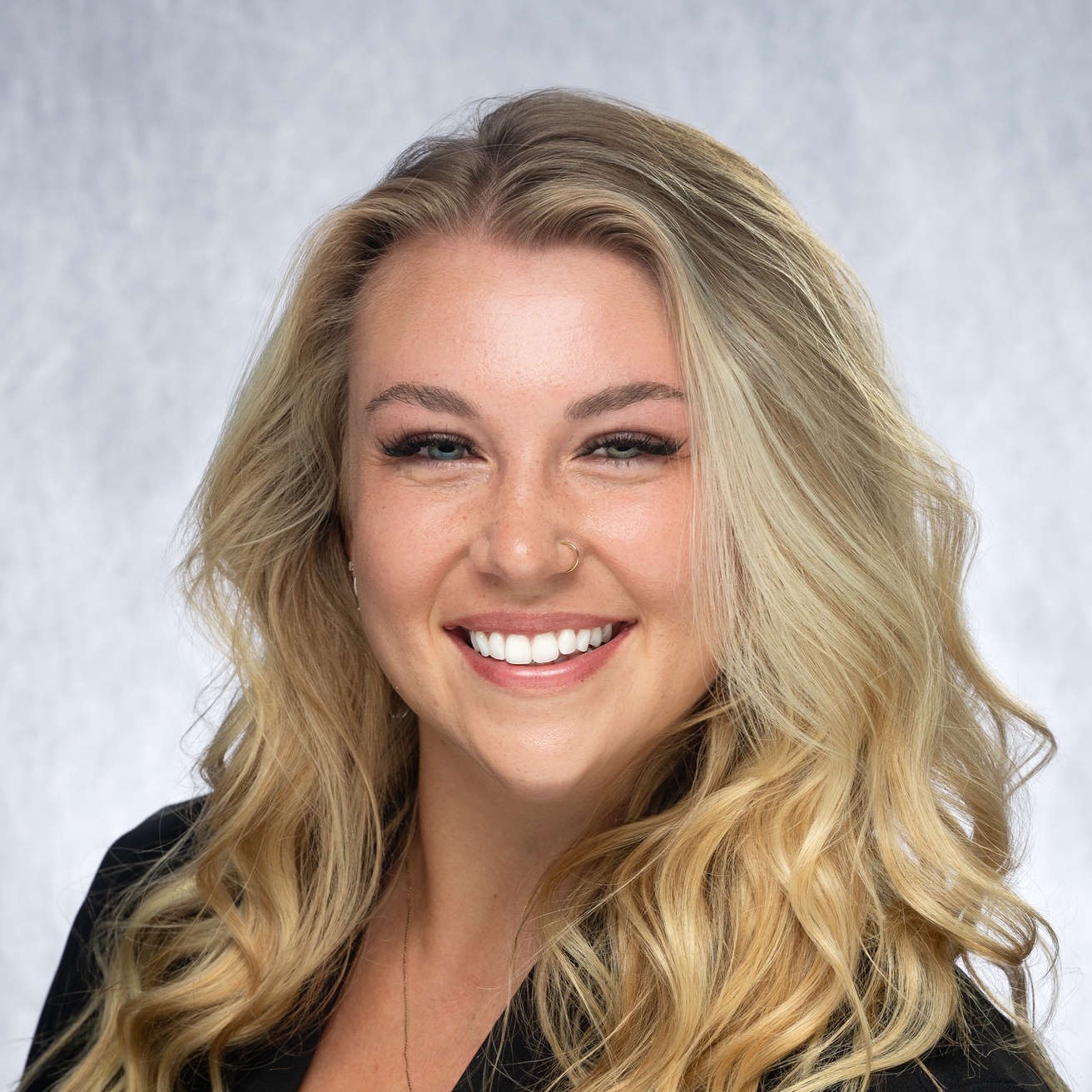
Sophie earned a BA in French and a BS in Biochemistry from the University of Iowa, graduating with University Honors and Honors in the Major. Before grad school, she worked in industry for three years and has co-authored several publications, including a first-author paper in Nucleic Acids Research. She received the 2024 Carver College of Medicine Pathway to Excellence Award and an NSF GRFP Honorable Mention. Now pursuing a PhD with Drs. Ashley and Maria Spies, her research explores multiscale protein dynamics in genome maintenance and drug discovery. Using single-molecule and biophysical techniques, she studies DNA-binding proteins and allosteric effects on drug binding. Sophie joined the CBB Fellowship to expand her translational research skills. Outside the lab, she enjoys traveling, yoga, and time with her husky, Haichi.

Sarah Torrence
Sarah earned a BA in Biochemistry from Grinnell College, where she was also a member of the cross-country and track teams. As an undergraduate, she conducted two years of neurobiology research under the mentorship of Clark Lindgren, studying presynaptic homeostatic potentiation. She is one of 12 graduate students selected for the 2025–2026 Iowa Innovation Leadership Fellowship, a program focused on entrepreneurship, biodesign, and innovation in the life sciences and healthcare. Her research investigates the role of prohibitins in cellular processes, with a focus on understanding how these proteins contribute to diseases such as heart failure and sepsis. She joined the fellowship to gain industry experience through its internship component and to collaborate with students from diverse disciplines. Sarah hopes her work will advance our understanding of cardiovascular disease and contribute to improved patient outcomes. Outside the lab, she enjoys running, exploring Iowa state parks, and studying French and Russian.
CBB Fellows:

Atonu Chakrabortty
Atonu completed his undergraduate degree in Microbiology at Pusan National University in South Korea as a recipient of the prestigious Korean Government Scholarship Program (KGSP), an experience that sparked his passion for molecular biology and translational medicine. He later earned a master’s degree from Auburn University, where he investigated drug resistance in multiple myeloma using single-cell transcriptomics and gene regulatory networks. Now a PhD student in Dr. McLendon’s lab at the University of Iowa, his research focuses on chemoresistance in ovarian cancer, specifically examining the role of ABCB5 isoforms in drug efflux and survival signaling. He is also exploring RNA-based regulatory mechanisms to uncover isoform-specific therapeutic targets. His work aims to contribute to personalized medicine by identifying molecular vulnerabilities in resistant tumors. Outside of the lab, Atonu enjoys creative writing, science communication, music, cinema, and long walks.